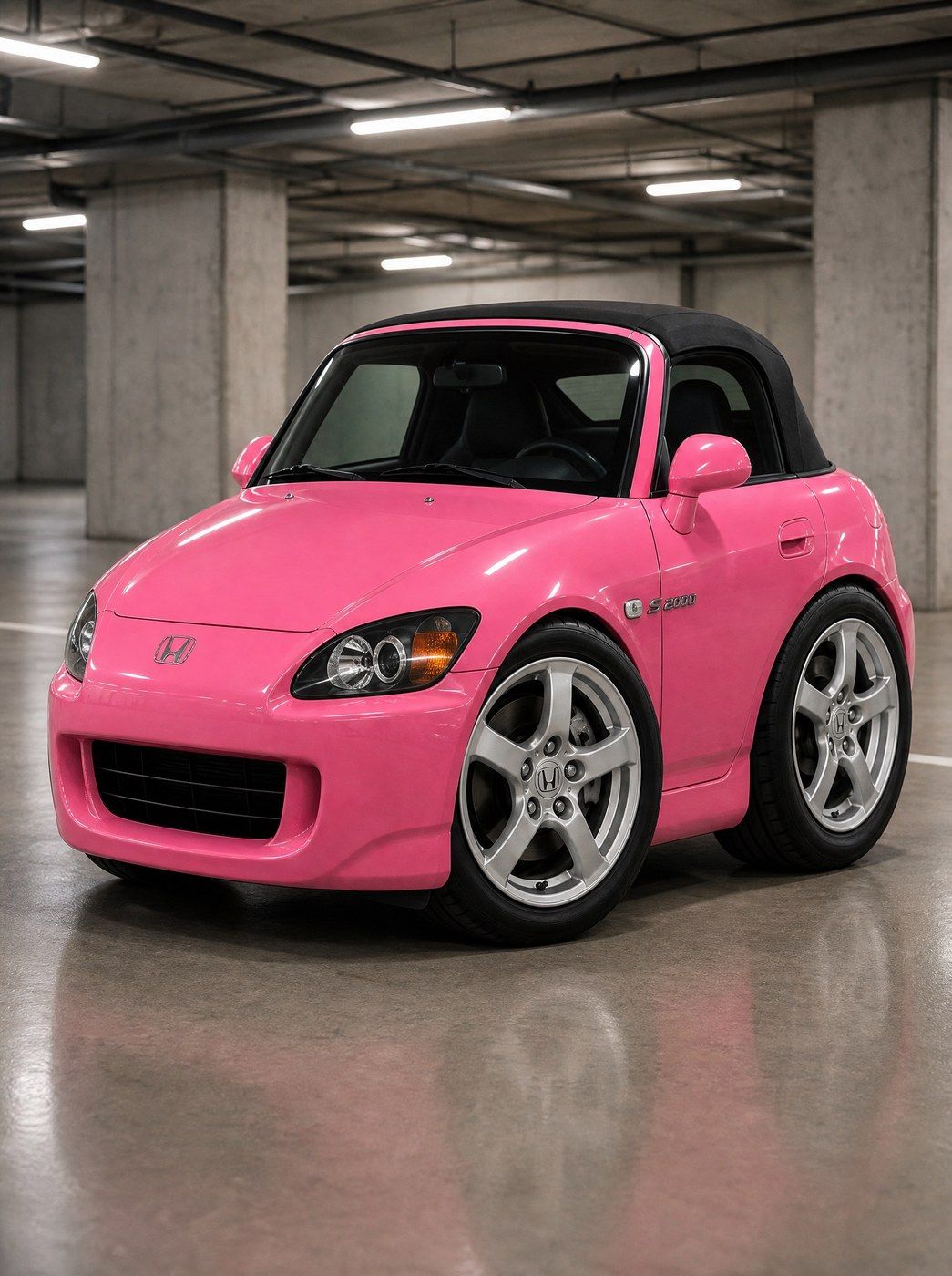
The Look Has a Name
Everyone recognises it and almost nobody knows what to call it: a car squished shorter, the overhangs chopped off, the wheels suddenly enormous. It's chibi — a Japanese art style also known as super deformed, or SD. Shorter, chunkier, exaggerated, cute.
Hot Wheels sells the same castings both ways — a normal Supra and a chibi Supra, a normal Skyline and a chibi one. Same car, two sets of proportions.
Here's yours:
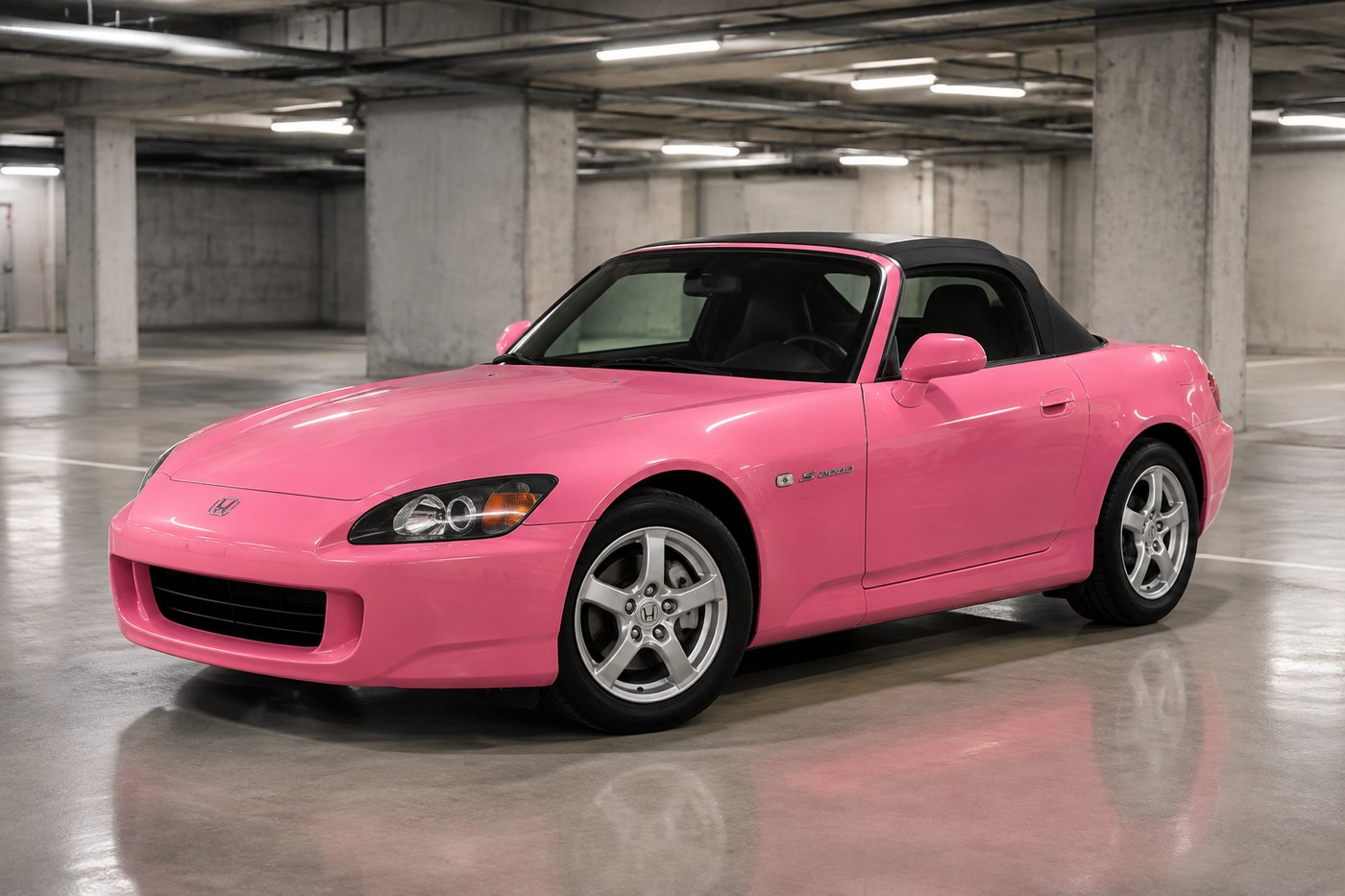 STOCK
STOCK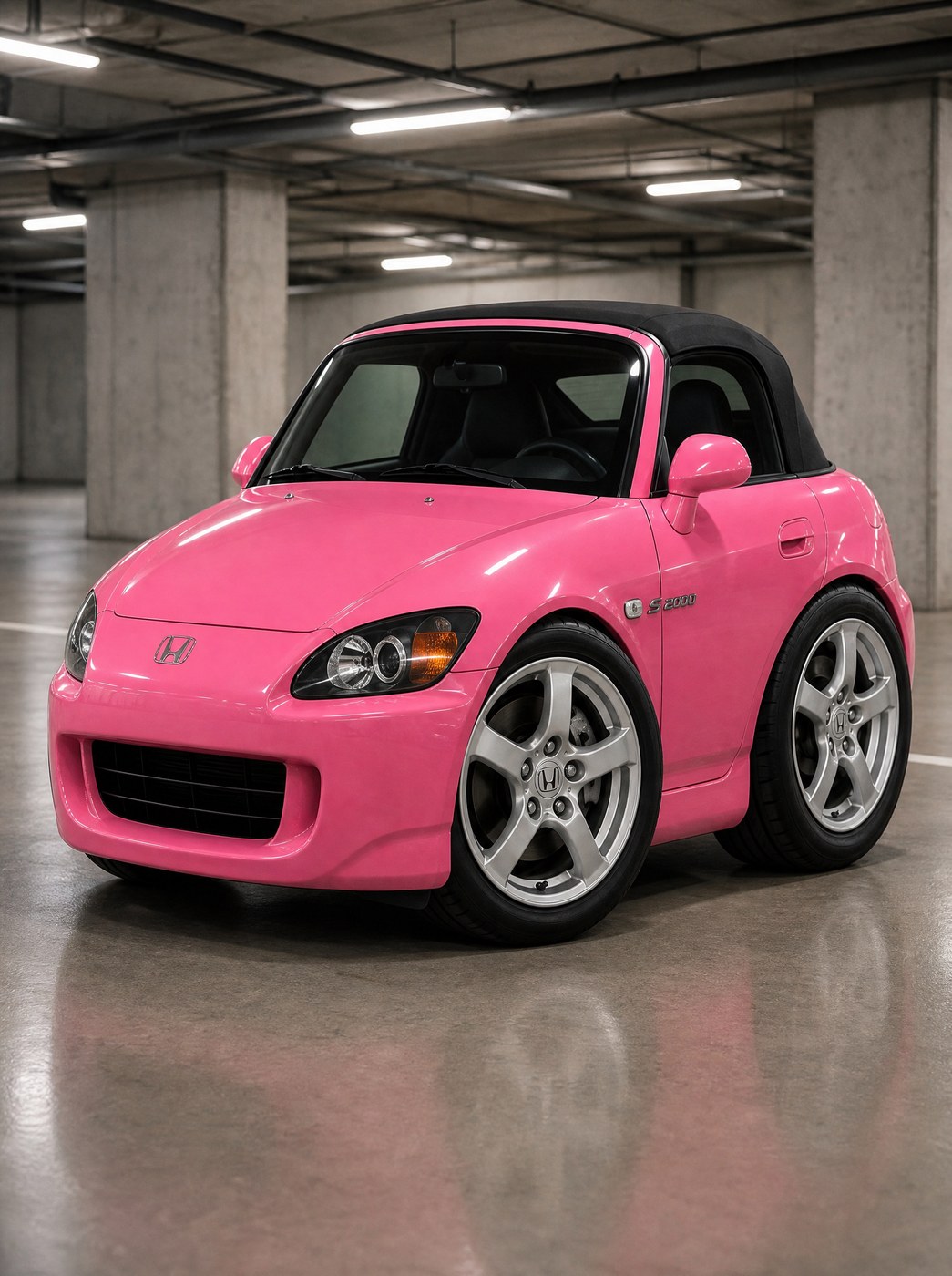 BUILT
BUILTCHIBI CAR
Same car, same paint, same wheels, same garage. Only the proportions moved.
Upload one photo to the studio and run Chibi Car. About a dollar, four angles back.
It Stays a Photograph
The trap with this look is that most tools hear "toy" and hand you an illustration — a cartoon car, a 3D render, something obviously drawn. That's a different thing, and it's much less fun, because it stops being your car.
This one keeps the photo real. The light still falls on the paint the way it did. The tyres still cast shadows on the ground. The clearcoat still catches the strip lights. The only unreal thing in frame is the shape of the car.
The result reads like someone built a die-cast at full size and parked it where you park.
Long Cars Change the Most
Not every car chibi-fies equally, and it's worth knowing before you pick which one to run.
The transformation is mostly about cutting overhang — the body hanging past the wheels at each end. So the more overhang a car starts with, the more dramatic the result:
- Muscle cars and long-nose coupes — the biggest change. There's a lot of hood to lose.
- Big sedans and luxury barges — enormous shift, because they're mostly overhang.
- Roadsters — the cabin stays tall while the body shrinks, which is the most toy-like silhouette of all.
- Hatchbacks and kei cars — the subtlest, because they're already short and upright. Still works, just less of a double-take.
Trucks and SUVs land somewhere in the middle: the wheels going oversized does more of the work than the body shortening.
Make One
Chibi Car
Your car squished into toy proportions — stubby body, huge wheels, still your exact car.
One photo in, four angles back, 20 credits. If it's your first build, the welcome credits cover it.
Want the opposite direction? Stretch Limo takes the same car and makes it absurdly long instead — same trick, opposite way, and they're funnier as a pair.